
Art in Public Space
Site specific art as a social sculpture to improve solidarity.
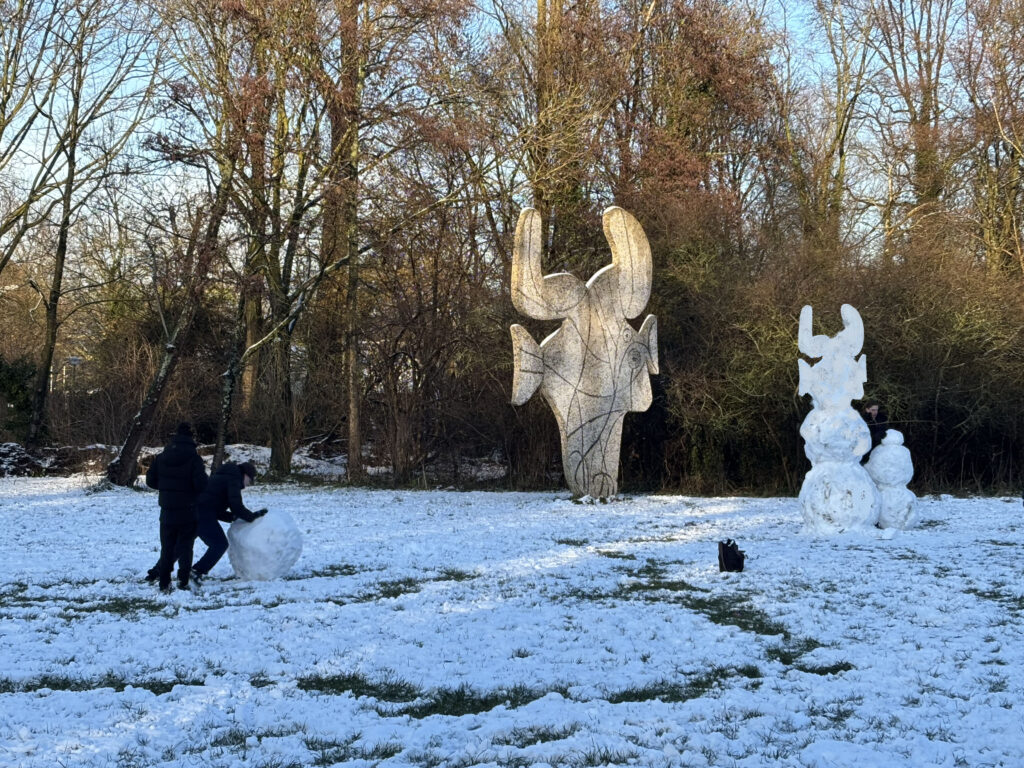
The Cult Foundation aims to strengthen Europe’s cultural identity and thus support a resilient democracy through research, education, and public space projects.
CULT Foundation is a Public Benefit Organization and registered in The Netherlands with ANBI status

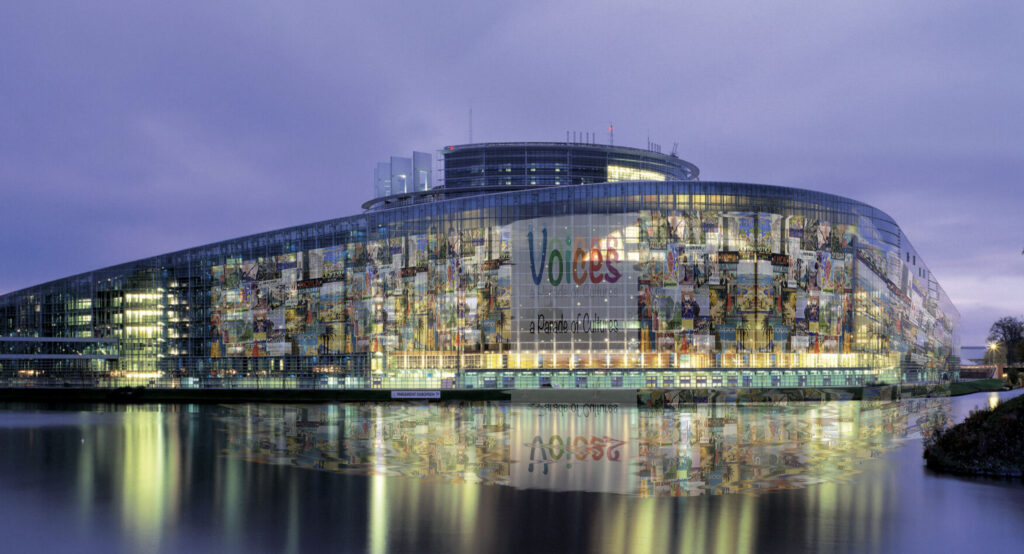
a Parade of Cultures
Voices 2026
A huge collage of 720 translucent films of cultural expressions to celebrate the unity in diversity and inclusivity of European cultures.

NEW Educational package
Art in public space
Introduction in public art, examples, interactive classroom activities, cultural diversity module, learning outcomes. Order the brochure. Tailor made packages available.
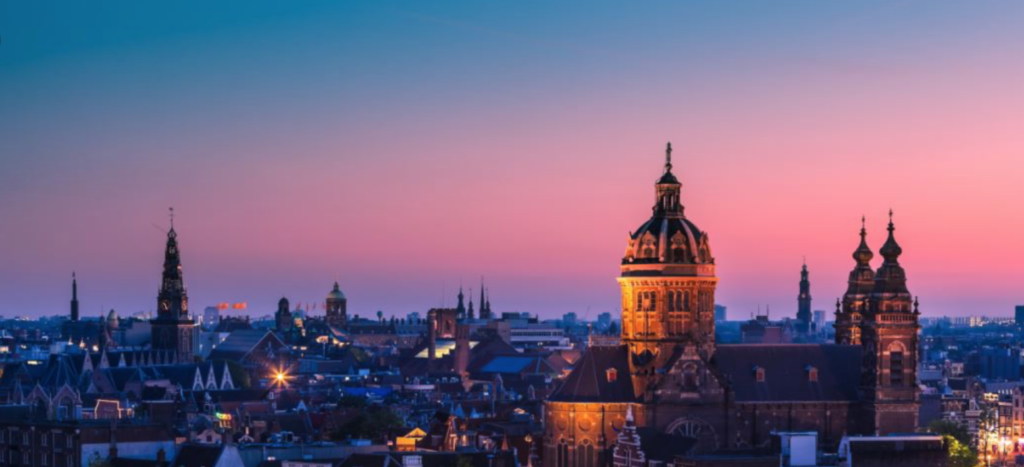
With Nox Aurea, the Rosewood Hotel Amsterdam gains a truly unique eye-catcher: a top-of-the-line artwork overlooking the canal and the iconic buildings of the city center. Atlas, the copper statue atop the Dam Palace Amsterdam, is part of this stunning view.
NOX AUREA 2028
The golden suite called Nox Aurea – golden nights – is planned to pop up at 2028.
NOX AUREA ROSEWOOD HOTEL AMSTERDAM
A top level piece of art facing Atlas at the roof of Dam Palace Amsterdam.
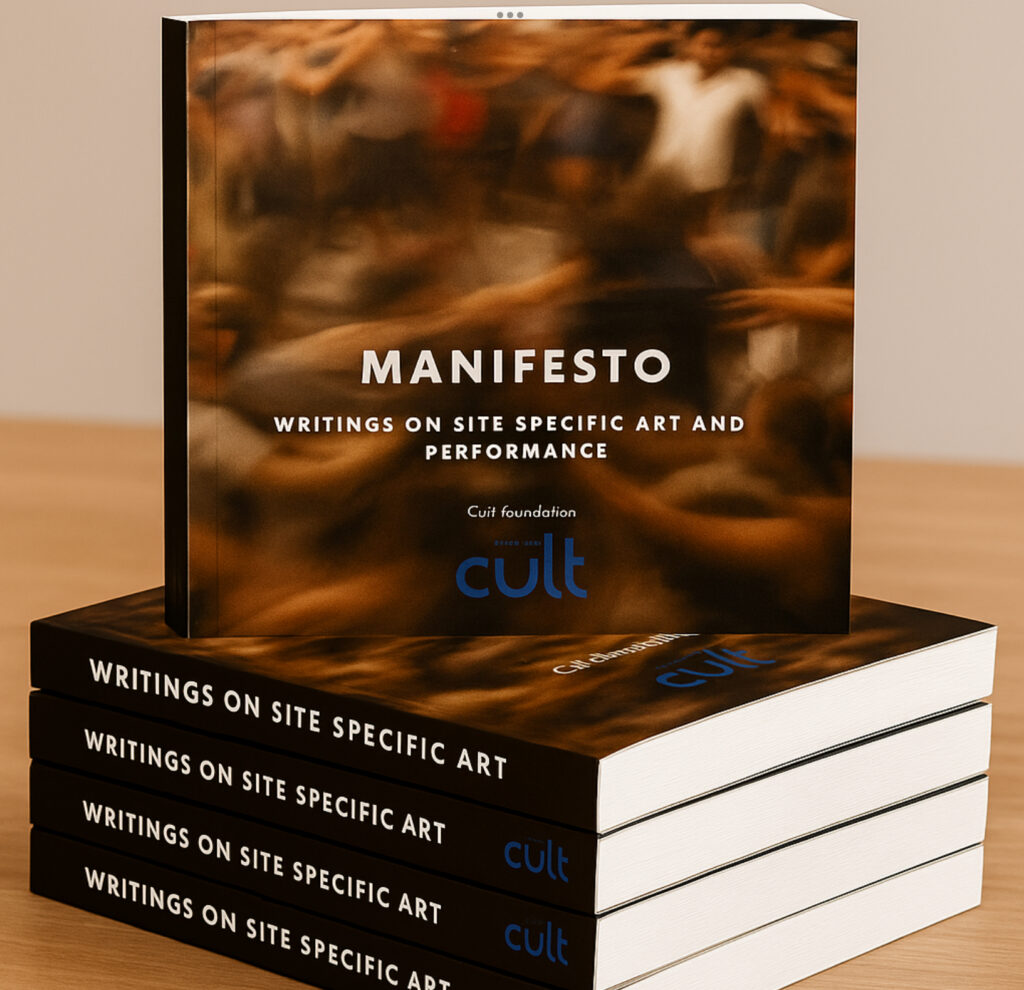
MANIFESTO
December 2025 Now available
Writings on Art in Public Space. Case studies exploring the possibilities for site-specific art. The need, the importance, the necessity. The scale, the spectrum.
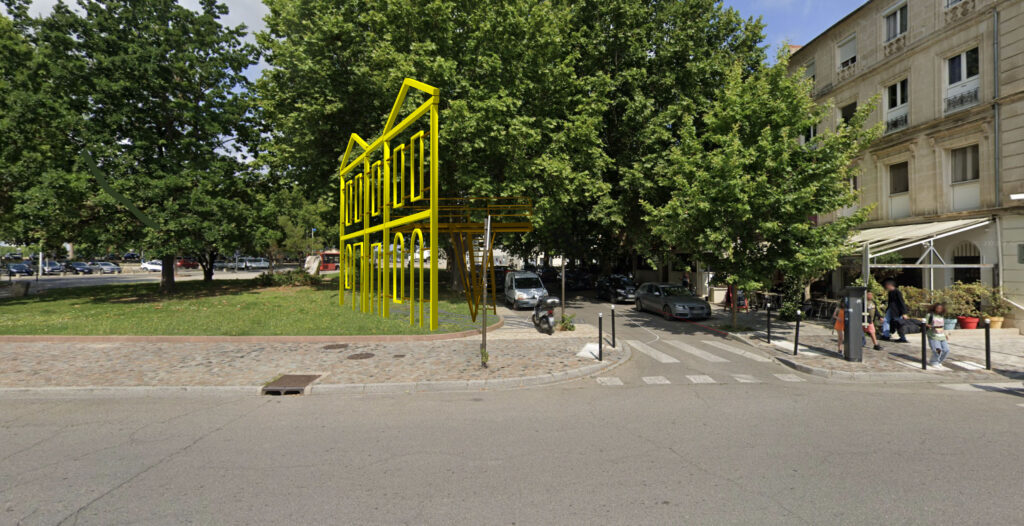
The facade of the Van Gogh Yellow House at Arles France rebuilded.
Relive the view from Vincent’s bedroom.
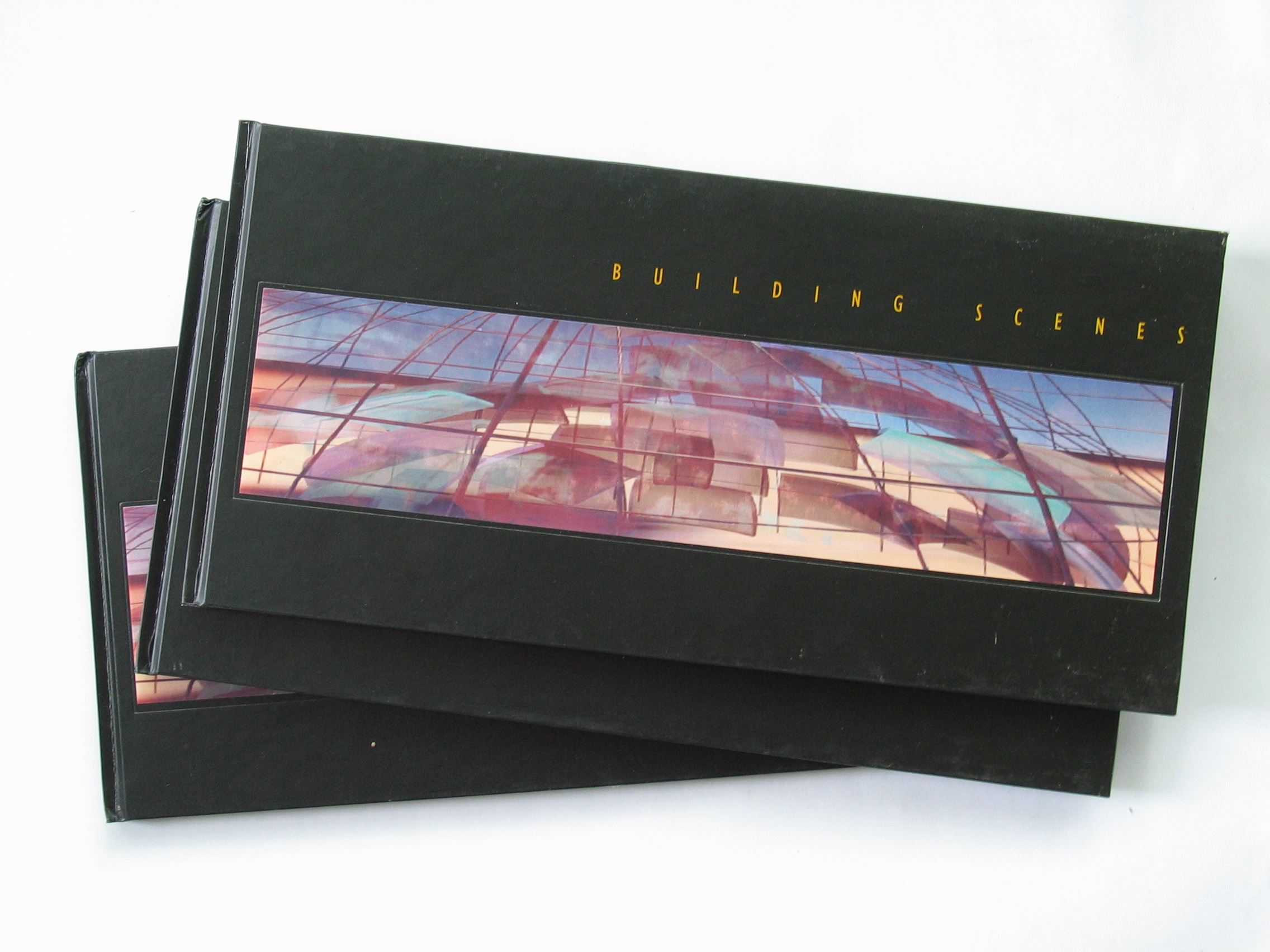
Building Scenes; Temporary structures housing temporary performances by theater makers, dancers and musicians stimulated social cohesion and sparked discussion about the quality of public space.
Building Scenes, Rotterdam (1996), showcased the possibilities of a more open and constructive environment.
Rebuilding Scenes highlights the importance of cultural components in reconstruction, after damage by natural disaster and war.

A performance in which climbers untied decameters-long fabrics on the façade of the City hall of Amsterdam, creating space for a choir singing to the people on the city square from the balconies.
Colored light changing the environment of the river Amstel.
CHANGE OF ATMOSPHERE 2.0 1990 – 2030
How did the cultural climate in public space develop in four decades?

In 2012, the municipality of Amsterdam launched a competition for a temporary building in the Zuidas, the office district along Amsterdam’s ring road.
The winning design was OASE, an urban camping at a six level open green building.

2001; Connect urban areas and business offices through art and performance in public space.
Verbindingen / Connections 2001
CONNECTING CULTURES 2027
2027; Ten European university cities exchanging ideas on improving cultural interaction within the municipality.

YCITY; Floating public space. Amsterdam IJburg 1999, movable public space was still unknown in the last century. What are the possibilities?
YCITY
Water levels are rising…… The importance, challenges and chances of water in our built environment.
Flooding 2029
Water, drought and flooding, waterworks, water ballet, water art.
The Value of Culture
Geert Boogaard – Blueyard – and Ingrid van Engelshoven, former Minister of Education, Culture and Science in The Netherlands in the newspaper De Volkskrant 26/11/2025:
… culture is a fundamental pillar of democracy and should therefore receive greater political attention and investment.
The authors note that government funding for culture in the Netherlands has steadily declined over recent decades, weakening the sector and placing the country behind other European nations. Contrary to common assumptions, reduced public funding has not been offset by private contributions; instead, less public investment leads to less private support.
The text emphasizes that the arts, media, and cultural institutions are not decorative additions to democratic society but essential components that enable imagination, dialogue, and critical reflection. Cultural expressions such as literature, film, visual art, and performance broaden perspectives, challenge power, and strengthen social cohesion. Cultural education and participation are presented as training grounds for active citizenship.
The authors warn that democratic backsliding often begins with limiting artistic and cultural freedoms, as seen in various autocratic contexts. Protecting democracy therefore requires strengthening the financial and legal framework for culture. They propose measures including increased national investment, legal obligations for regional governments, improved access to cultural spaces, embedding cultural education in schools, lowering barriers to participation, and safeguarding artistic independence.
Their conclusion: “..in a time of societal crises and polarization, the answers are not only technical or political but also cultural. Strengthening culture is essential to sustaining a resilient democracy”.
Check out our FAQs for more information.
What services do you offer?
We offer a range of art and culture projects in public spaces.
We are working on an education programma to make a younger generation aware of the qualities of public space and the opportunities it offers for social interaction and the exchange of knowledge and culture.
Our goal is to strengthen European cultural identities and make art accessible to everyone.
Who can participate in your projects?
Our projects are open to anyone who is interested in exploring, exposing, and experiencing art in public spaces.
We encourage a diverse and inclusive audience.
Why are art projects important?
Art projects have the power to bring people together, spark creativity, and celebrate cultural diversity.
They also contribute to the beautification and revitalization of public spaces.

We supported them and they supported us
Ready to bring art to public spaces?
Do you have a passion for showcasing art in public spaces and making a positive impact?